
 DeepTutor
Apache-2.0 50,838 stars
DeepTutor remains the standout self-hosted tutor in this issue: it builds knowledge bases from your own documents and runs guided, mastery-based learning grounded in those materials, rather than free-form chat. It installs by PyPI, Docker, or from source, and supports local models through Ollama and other local endpoints. If you want an AI tutor that teaches from material you control, this is where to start — and we have a full guide for it.
Read the DeepTutor guide → · GitHub · Licence
 Graphify
Apache-2.0
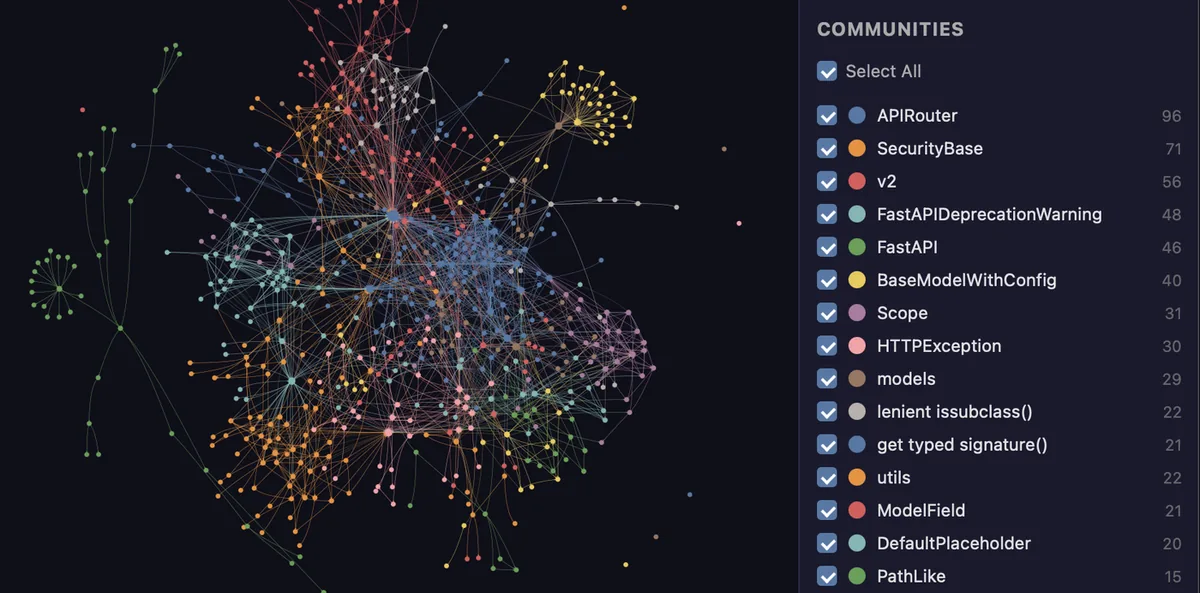
Graphify turns a codebase — plus docs, schemas, and documents — into a queryable knowledge graph, so an AI coding assistant can answer with scoped, explainable context instead of guessing from a whole repo. Its code parsing runs locally, and code-only extraction needs no API key. For teams whose assistants keep inventing answers about their own code, this is the most practical fix in the issue.
Read the Graphify guide → · GitHub · Licence
 Claude SEO
MIT
Claude SEO is a Claude Code plugin and skill pack that audits a website and produces a scored report and a prioritised action plan, including AI-search readiness. It needs no API keys out of the box, with optional free Google APIs for deeper checks. It is the most immediately useful tool here for anyone who owns a site and wants a concrete list of fixes, not another dashboard.
Read the Claude SEO guide → · GitHub · Licence
 VoiceStudio
AGPL-3.0 94,685 stars
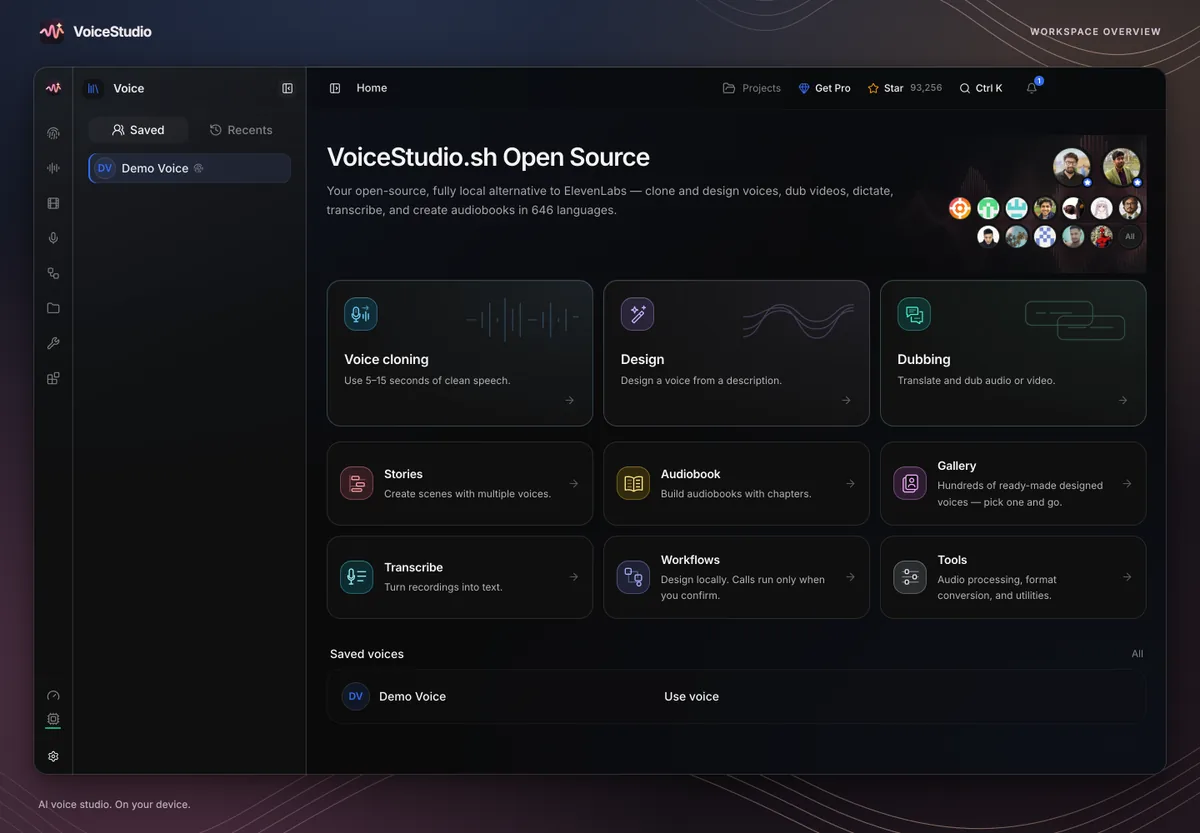
VoiceStudio is a fully local, open-source voice studio for cloning, designing, dubbing, dictating, transcribing, and narrating — no paid cloud behind it, and usable even without a GPU. Its standout direction is taking that studio onto phones, with preview iOS and Android apps that run models on-device and offline once downloaded. The catch to flag: the app is AGPL-3.0, but individual models and voices carry their own licences.
 PRINTFILM
MIT 7,374 stars
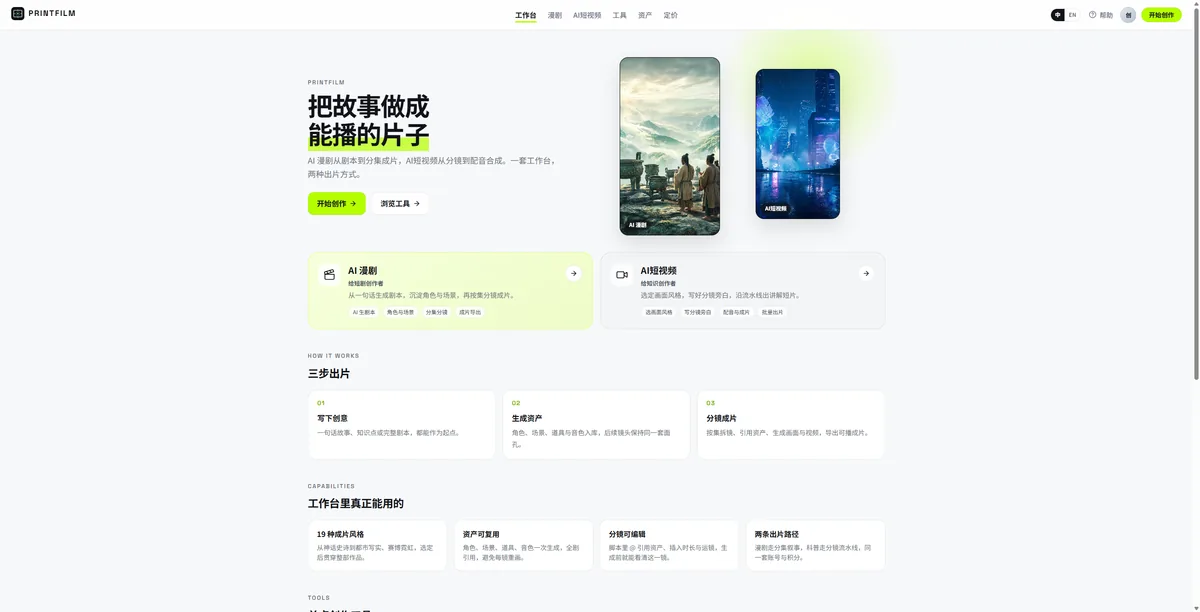
PRINTFILM turns a one-line idea into a finished short video or multi-episode short drama, with reusable characters and scenes, storyboard-by-storyboard review, and a self-hosted Docker setup. Its appeal is the guided pipeline — copy, storyboard, images, video, then a composed film — rather than a single prompt-to-video black box. Readers should know real generation needs a TokenFree API key; without one, the documented mock mode only previews the interface.
Sources
- HKUDS/DeepTutor, LICENSE
- Graphify-Labs/graphify, LICENSE
- AgriciDaniel/claude-seo, LICENSE
- debpalash/VoiceStudio, LICENSE
- yi1108/printfilm, LICENSE
This issue was written with AI assistance and checked against the official repositories on October 30, 2026. Star counts change daily; treat them as a snapshot, not a quality score.